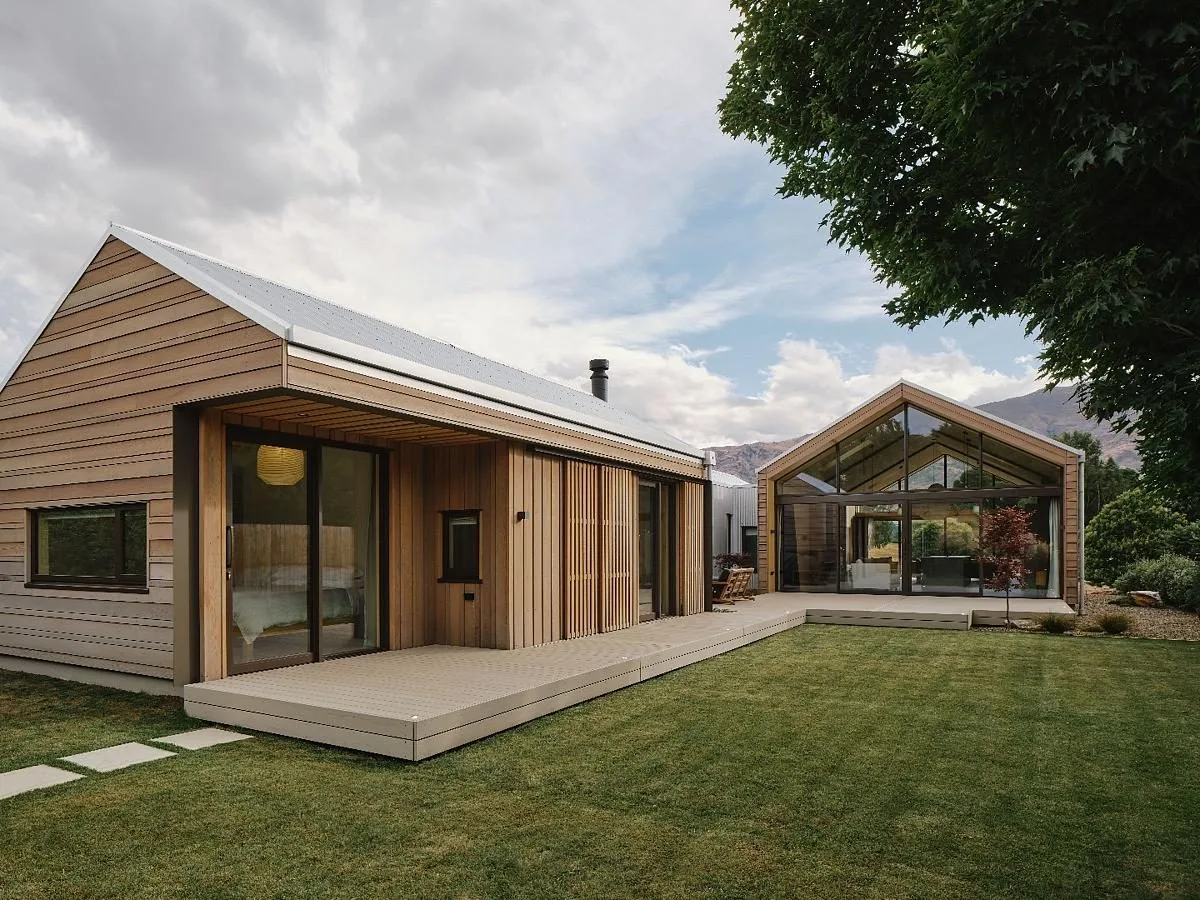
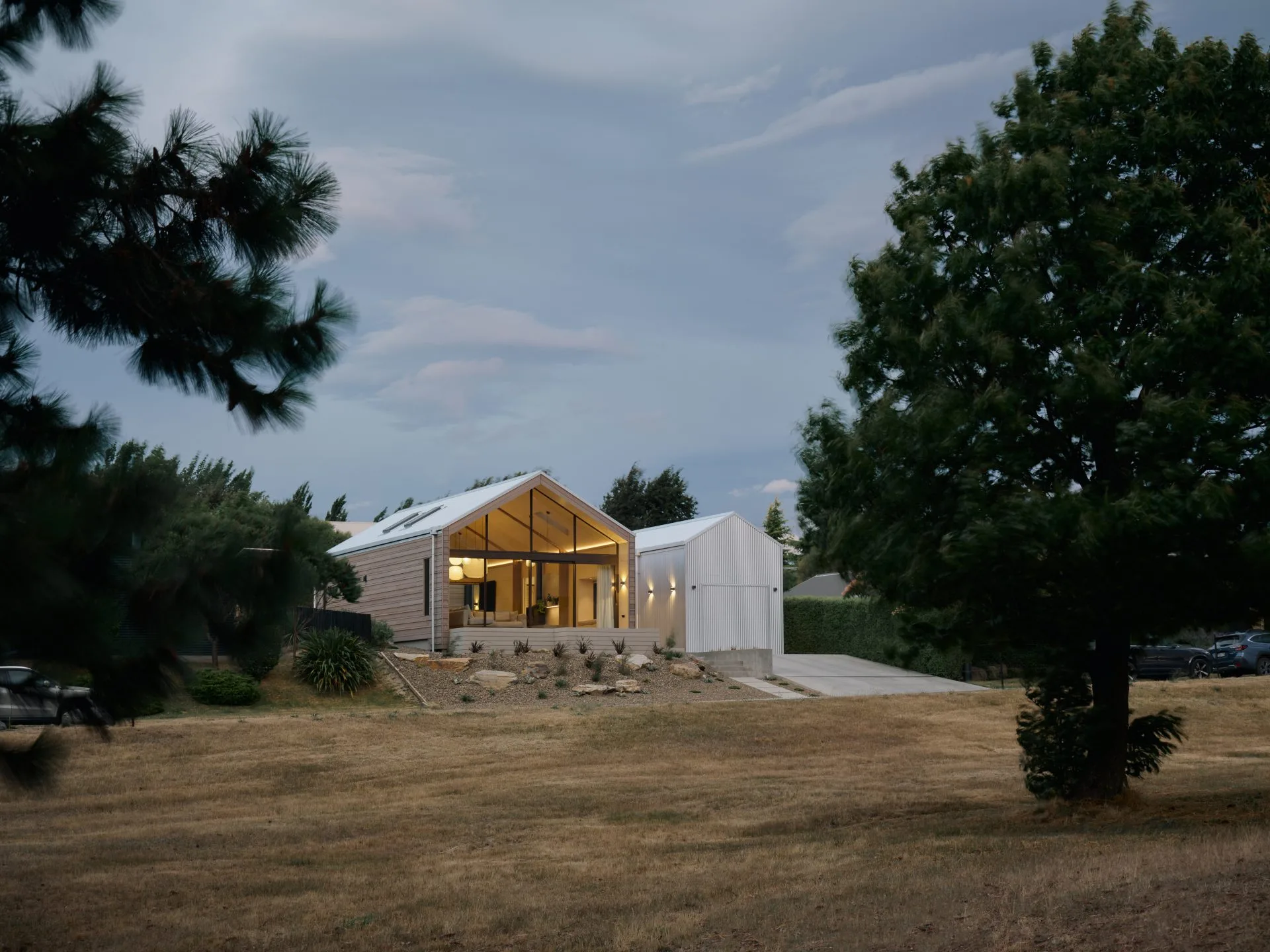
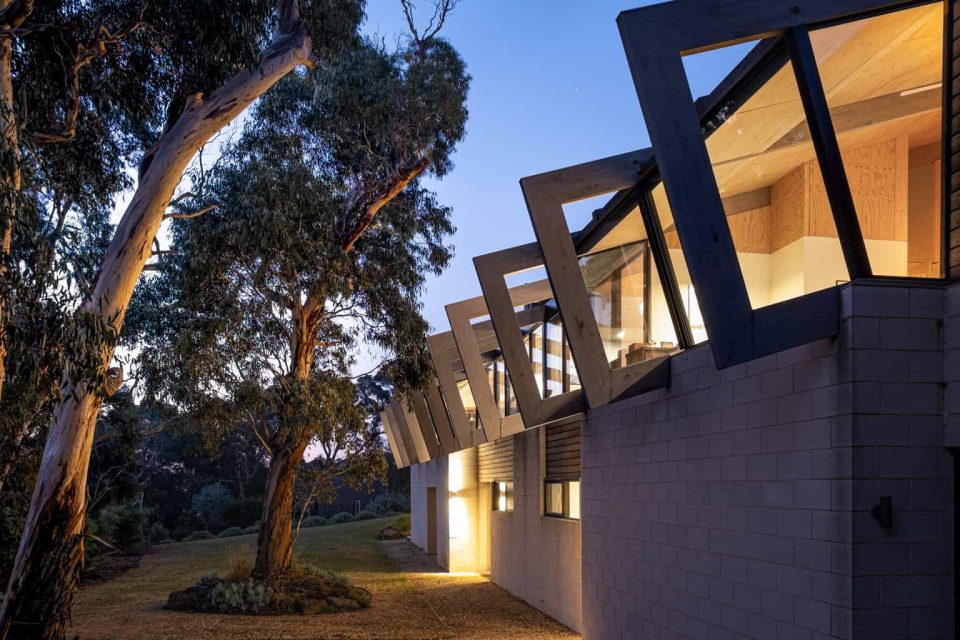
This sustainable pavilion home designed by Studio Pacific Architecture is located in the breathtaking region of Wānaka, New Zealand. Inspired by the rugged beauty of alpine architecture, the home has been designed with multiple families in mind, offering spacious, sunlit living areas that foster both togetherness and personal space. Whether it’s summer holidays with cousins or a quiet winter getaway, this home adapts effortlessly to the changing seasons—and the changing needs of its guests.
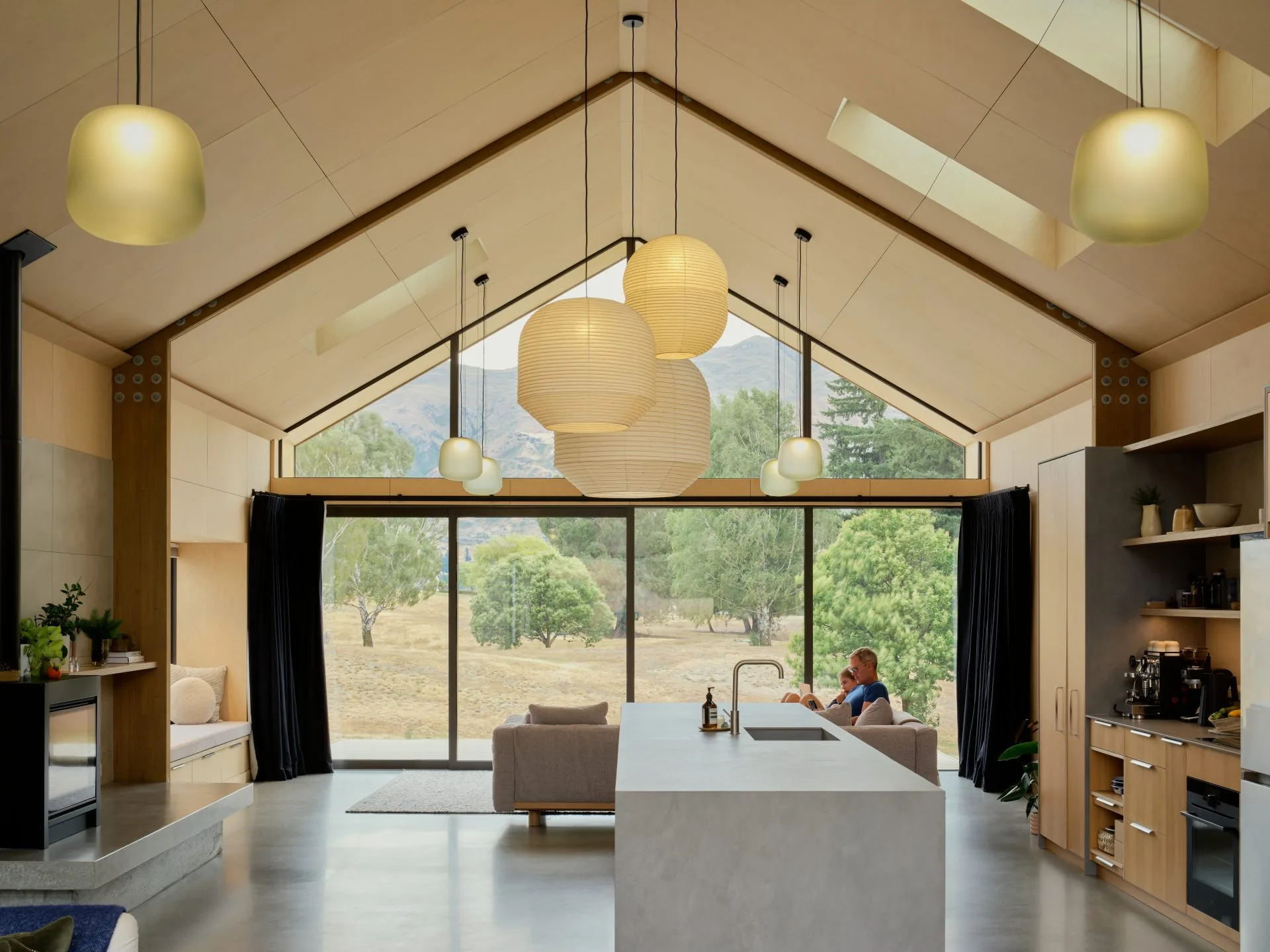
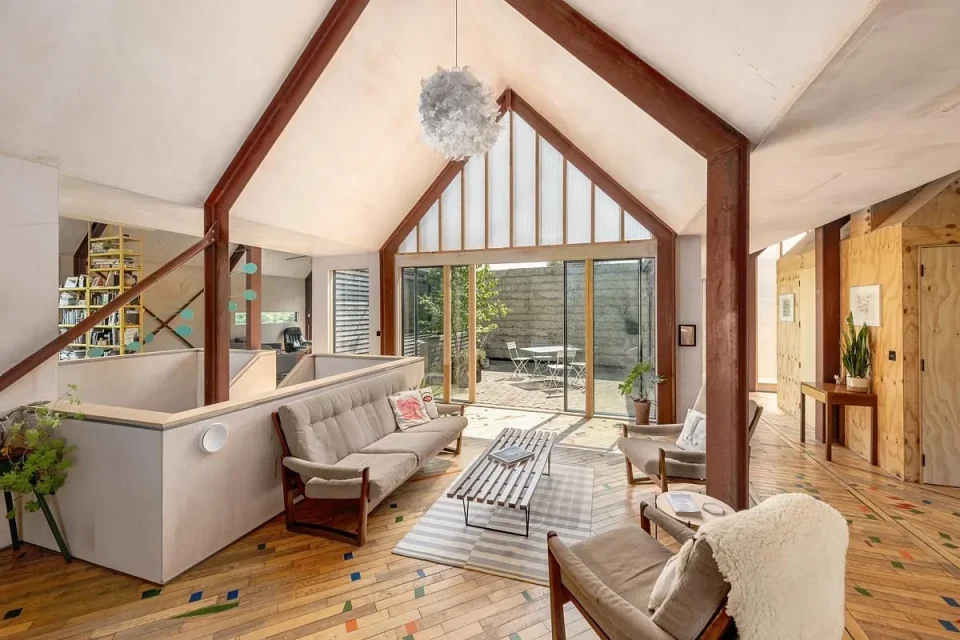
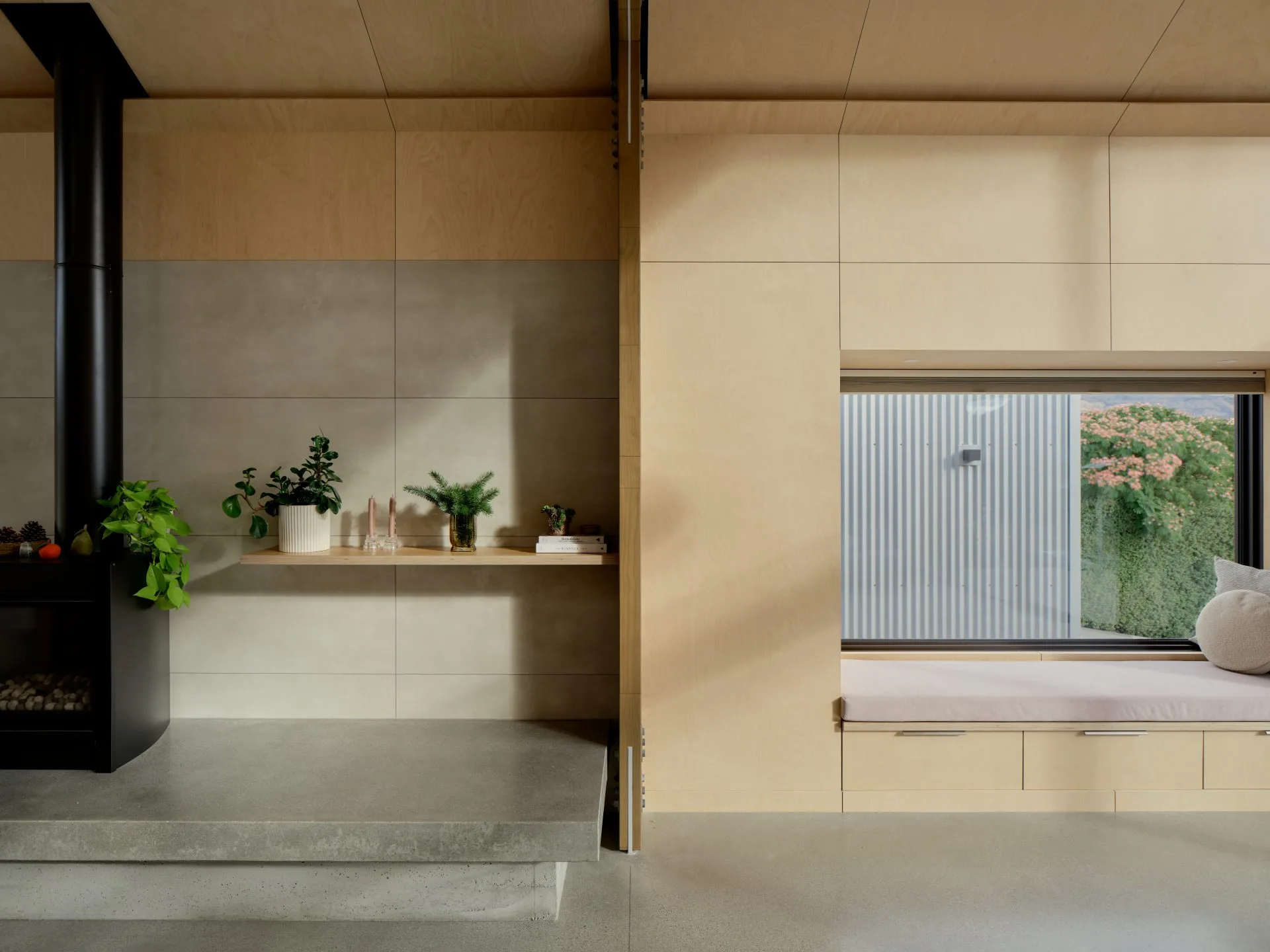
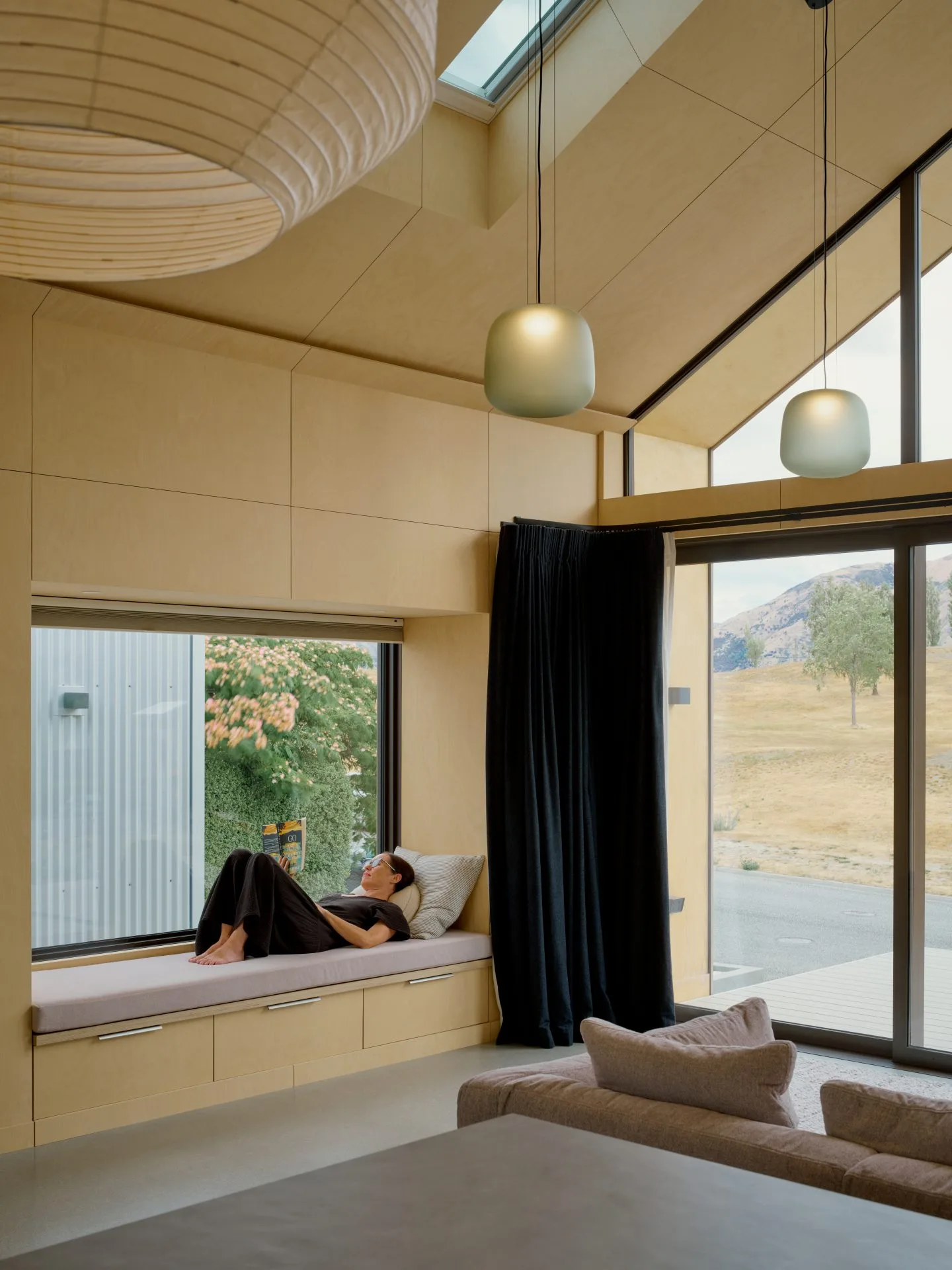
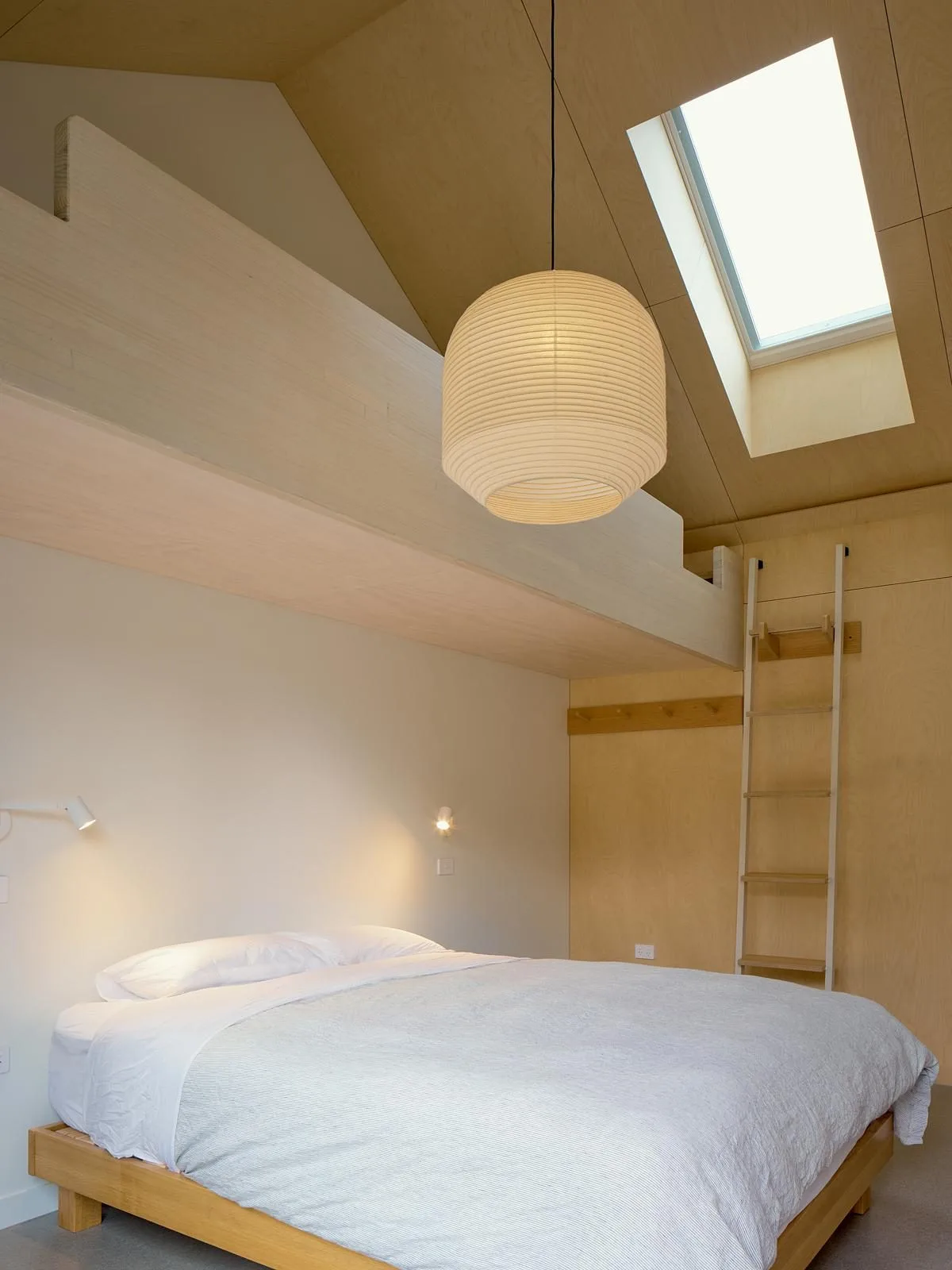
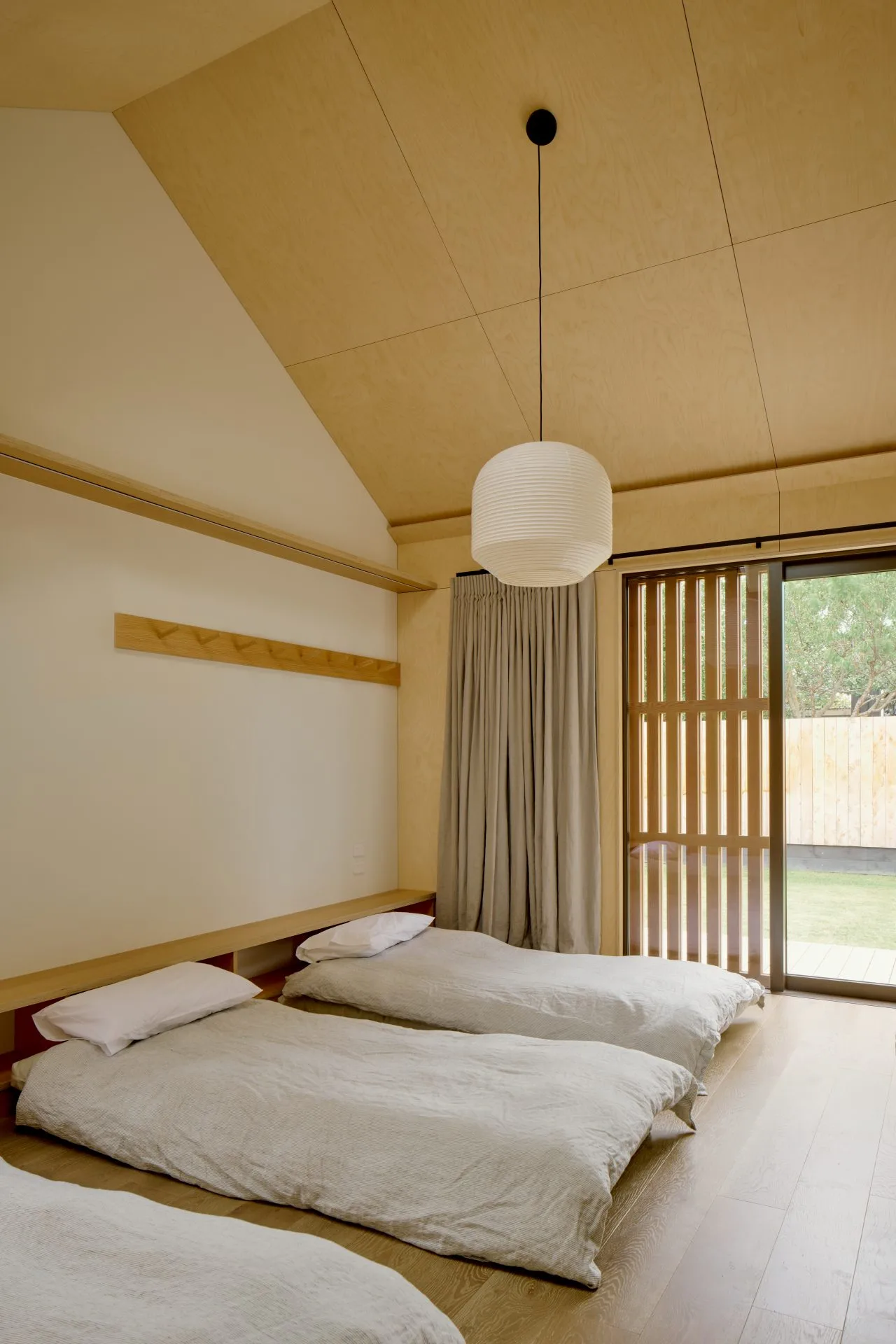
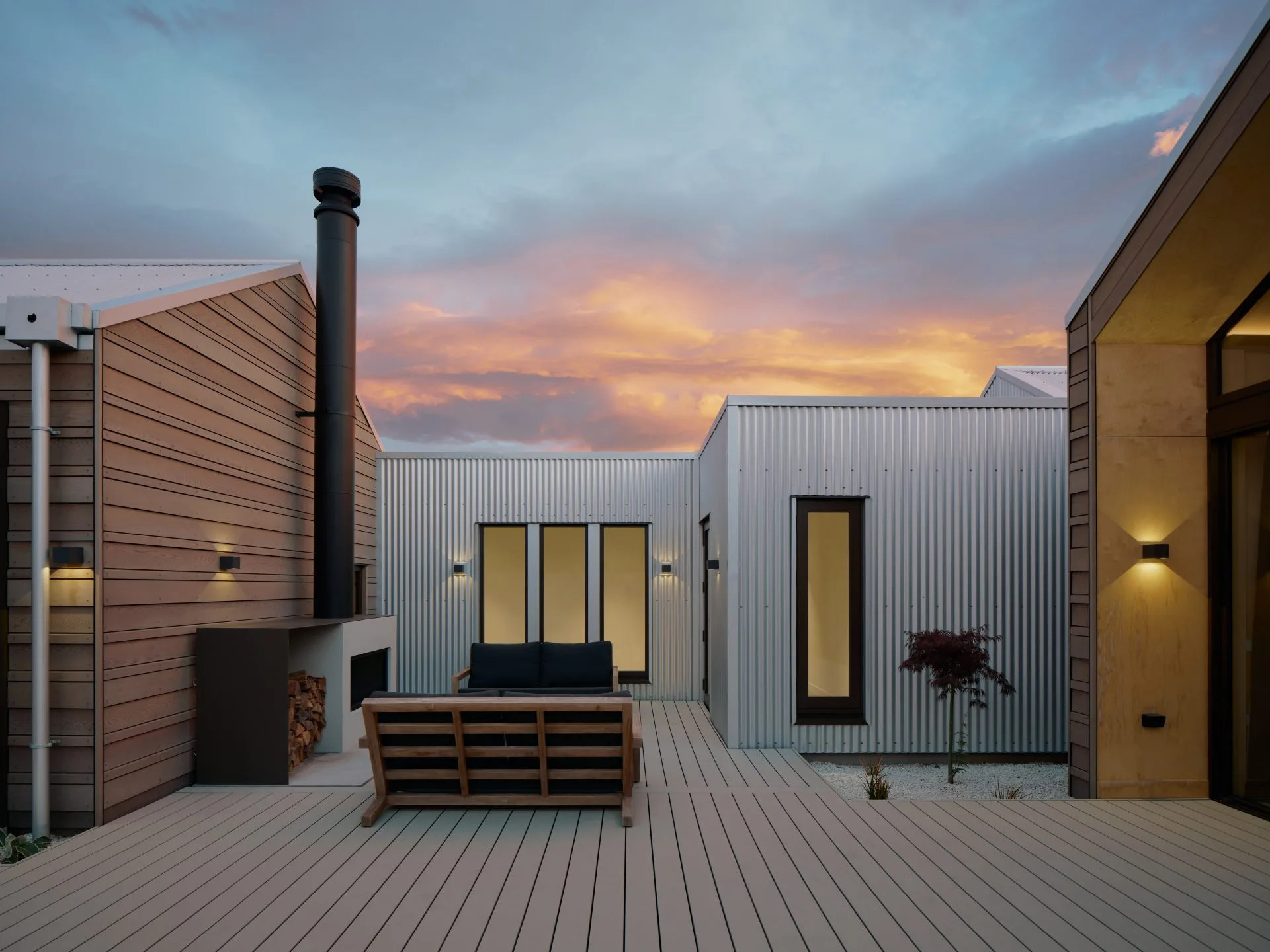
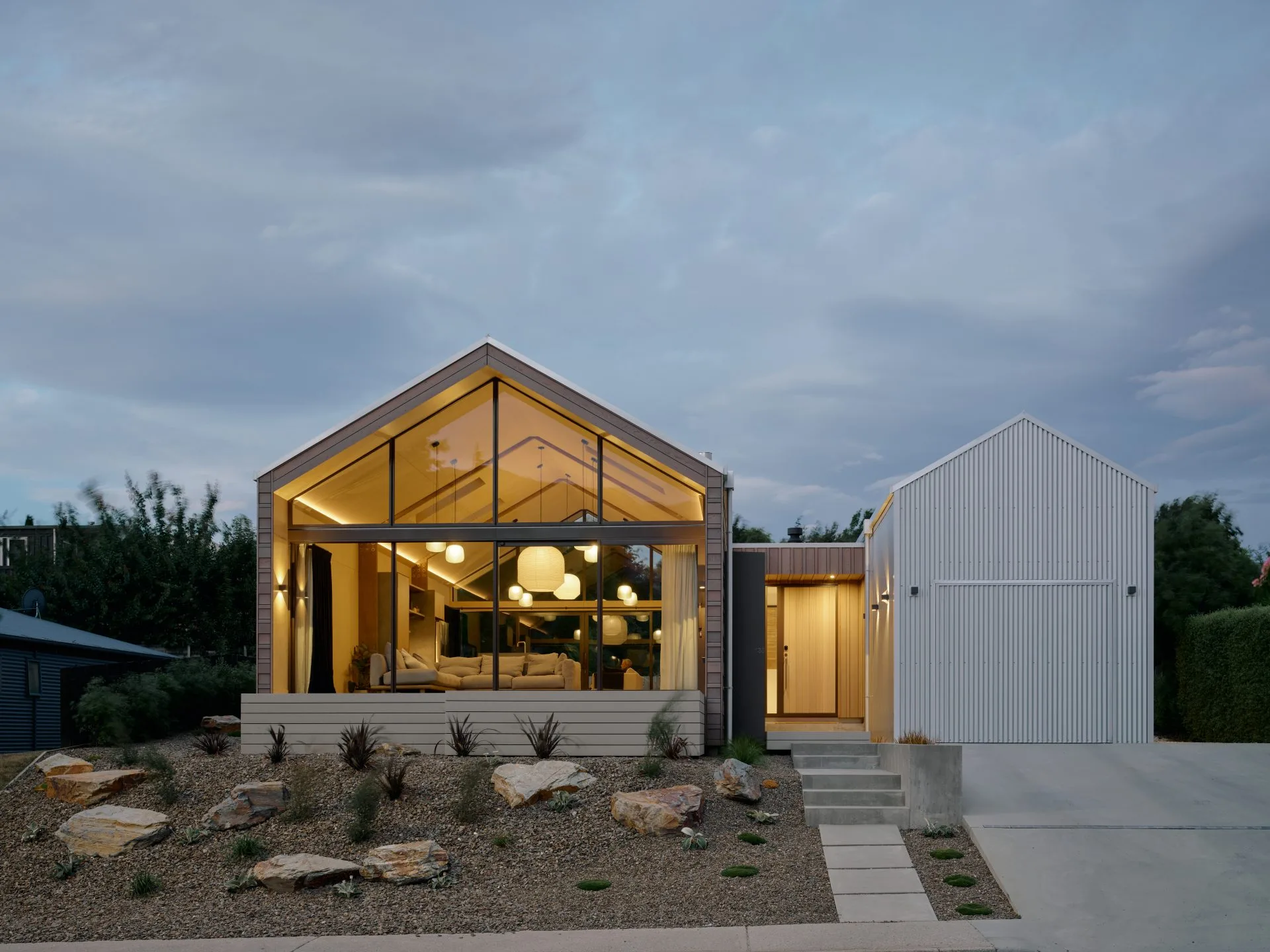
The home’s exterior is eye-catching for its horizontal timber cladding that contrasts beautifully with corrugated sheet steel, creating a textured façade that echoes the local vernacular while standing proudly on its own. The interiors feature timber-lined walls, high ceilings, and soft, neutral finishes that reflect and celebrate the passage of natural light throughout the day.
The home has been designed as a series of pavilions, connected by a gallery that runs through the heart of the home. The pavilions accomodate communal spaces for gathering, private nooks for quiet reflection and a strong connection to the outdoors, with a layout that creates wind-sheltered garden pockets, making the outdoor spaces as usable and enjoyable as the interiors.
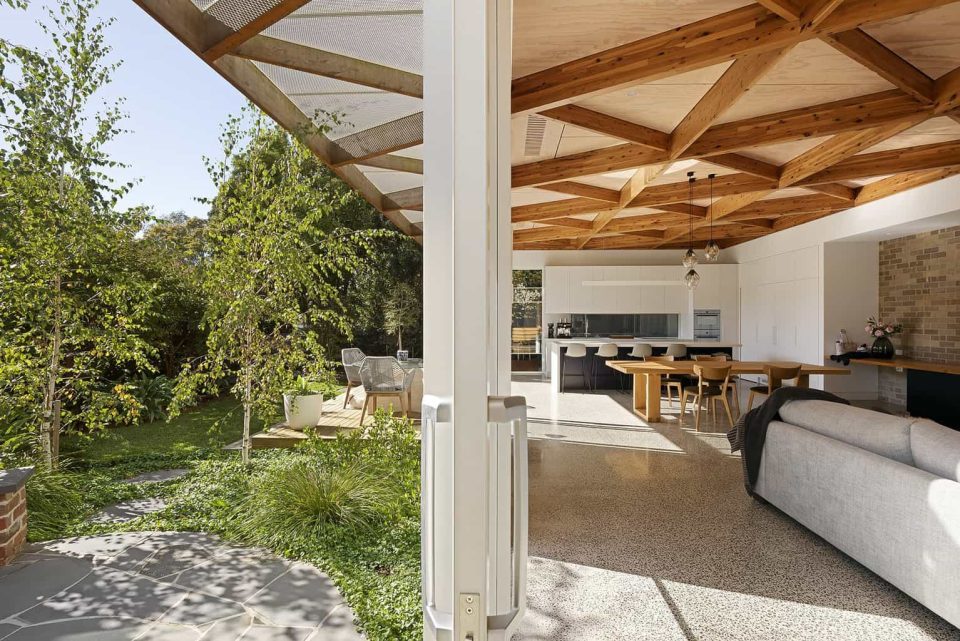
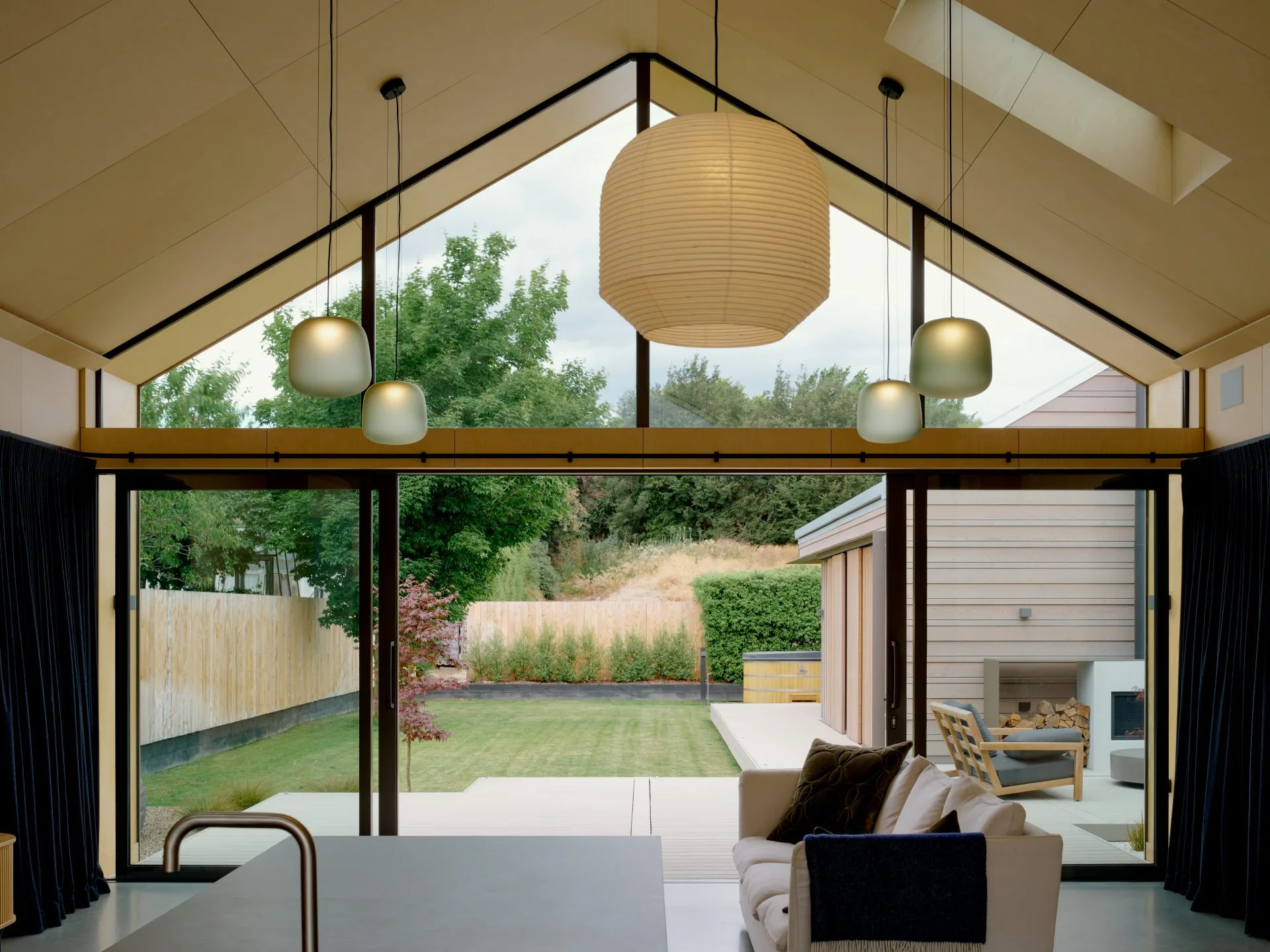
Carefully placed glazing invites in slices of the landscape—mountain peaks, rustling trees, and shifting skies—framing them like art and reminding you of nature’s constant presence. The landscaping is minimalist by design, giving native plants room to thrive and subtly weaving the built form into the existing topography.
The home is not only a relaxing mountain hideaway, it’s also a serious performer when it comes to sustainability. From the outset, the design brief was clear: create a home that respects the environment, meets the family’s needs, and won’t blow the budget.
Passive solar design at the core of the home’s efficiency, with the building oriented to maximise solar gain in winter, with deep eaves and shading to keep the interiors cool in summer. Insulated concrete floors provide thermal mass, storing warmth during the day and releasing it at night. High levels of insulation—well beyond New Zealand Building Code requirements—combine with a warm roof construction to maintain comfort year-round without over-relying on heating or cooling systems.
Passive ventilation is achieved through the use of high ceilings and automated skylights, which create a chimney effect, allowing warm air to rise and escape while drawing in fresh, cooler air. This not only reduces the need for mechanical cooling but also keeps indoor air quality fresh and healthy.
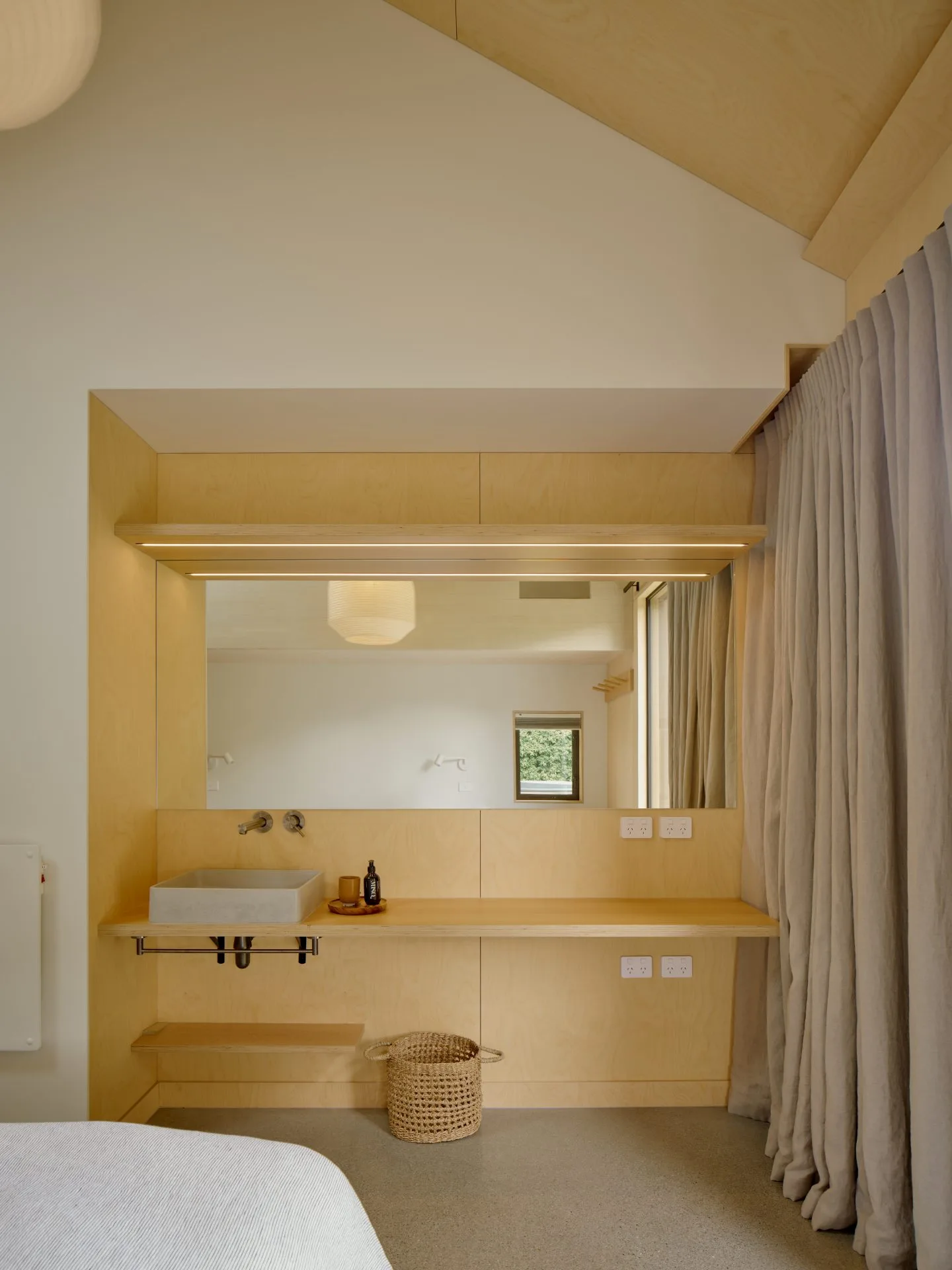
Advanced timber framing reduces both material use and thermal bridging, enhancing energy performance. Materials were selected not just for performance and durability, but also for their environmental credentials—low-VOC finishes, recyclable components, and locally manufactured where possible.
Inside, energy-efficient appliances and LED lighting keep operational energy use low. Water-efficient fittings conserve precious resources without compromising on comfort or function. And the native, climate-appropriate planting around the home is both low-maintenance and biodiverse, requiring minimal irrigation and helping the building nestle into its alpine environment.
Sustainability Features
- Passive solar design: orientating building for solar gain, shading, and natural daylighting
- Highly insulated
- Insulated concrete floors for thermal mass
- Low-VOC, recyclable, and NZ-manufactured material selections
- Passive ventilation with high ceilings, automated skylights, promoting natural cross ventilation and stack ventilation for cooling and improved indoor air quality
- Designed for minimal earthworks, integrating with existing topography, and respecting the micro-climate
- Indigenous, low water planting
- Energy efficient appliances
- Water efficient appliances
One of the most impressive things about this sustainable pavilion home is how effortlessly it engages with the land it sits on. Instead of flattening or reshaping the site, the house gently follows the natural contours, working with the slope rather than against it. This thoughtful site orientation reduces the need for major earthworks and honours the micro-climate, preserving the integrity of the landscape.
By splitting the home into separate pavilions, the architects created a rhythm that feels almost organic—like a series of cabins gently resting among the hills. It’s an architectural approach that enhances thermal performance, creates outdoor nooks sheltered from Wānaka’s sometimes-blustery winds, and makes every space feel connected to the elements.
Whether you’re lounging in the morning sun, enjoying a warm meal with family, or simply soaking in the quiet beauty of Wānaka, this sustainable pavilion home proves that luxury and responsibility can go hand in hand. It’s more than a holiday retreat—it’s a model for how we can live lightly on the land, without sacrificing the things that make life rich: connection, comfort, and beauty.