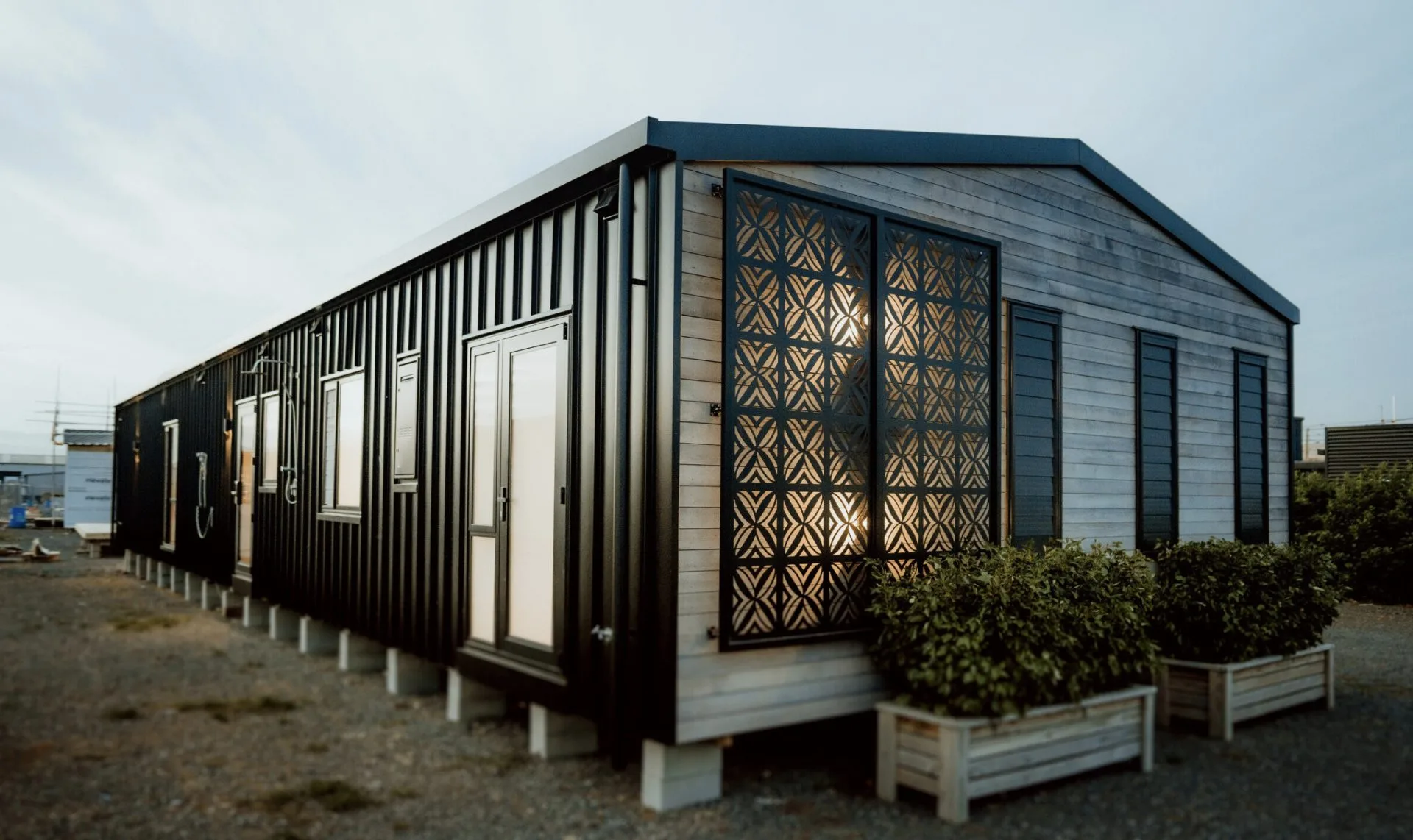
Image of Hawkes bay prefab

20 best prefab homes (2025)

Prefab homes are a great antidote to the delays, inefficiencies and cost blowouts of a traditional home build, as they are built in a factory and are then able to be quickly assembled on site.

While modular or prefab homes have a reputation for being “cheap and nasty”, the 21st century has seen huge improvements in design, with eco friendly outcomes such as air tight construction and minimising construction waste.

While the prefabs of old offered limited ‘off the plan’ designs, custom design is now available, ranging from tiny homes and cabins through to multi-storey residences. Many home renovators are opting for prefab extensions to minimise time and cost.

  • 1. Minima prefab home

    The Minima prefab home offered by FABPREFAB was designed by esteemed architects Trias Studio and is definitely one of the most attractive in our line up. Available in single or double modules according to what you need. The single module is perfect as a home office or guest room and can be fitted with a kitchen and bathroom as required. The larger two module offers the possibility...

    See More
    Prefab homes
  • 2. OM1 prefab home

    The OM1 prefab was designed by Dimensions X, a company co-founded by acclaimed architect Peter Stutchbury, with a view  to offering a range of planet-friendly, energy-efficient, and recyclable smart homes that can be customised with “the click of a button”. Available in 15m2 modules, the range encourages simple living in harmony with nature by integrating solar collection, battery power, low-energy fittings and water collection.

    See More
    The OM1 prefab
  • 3. Bronte prefab home

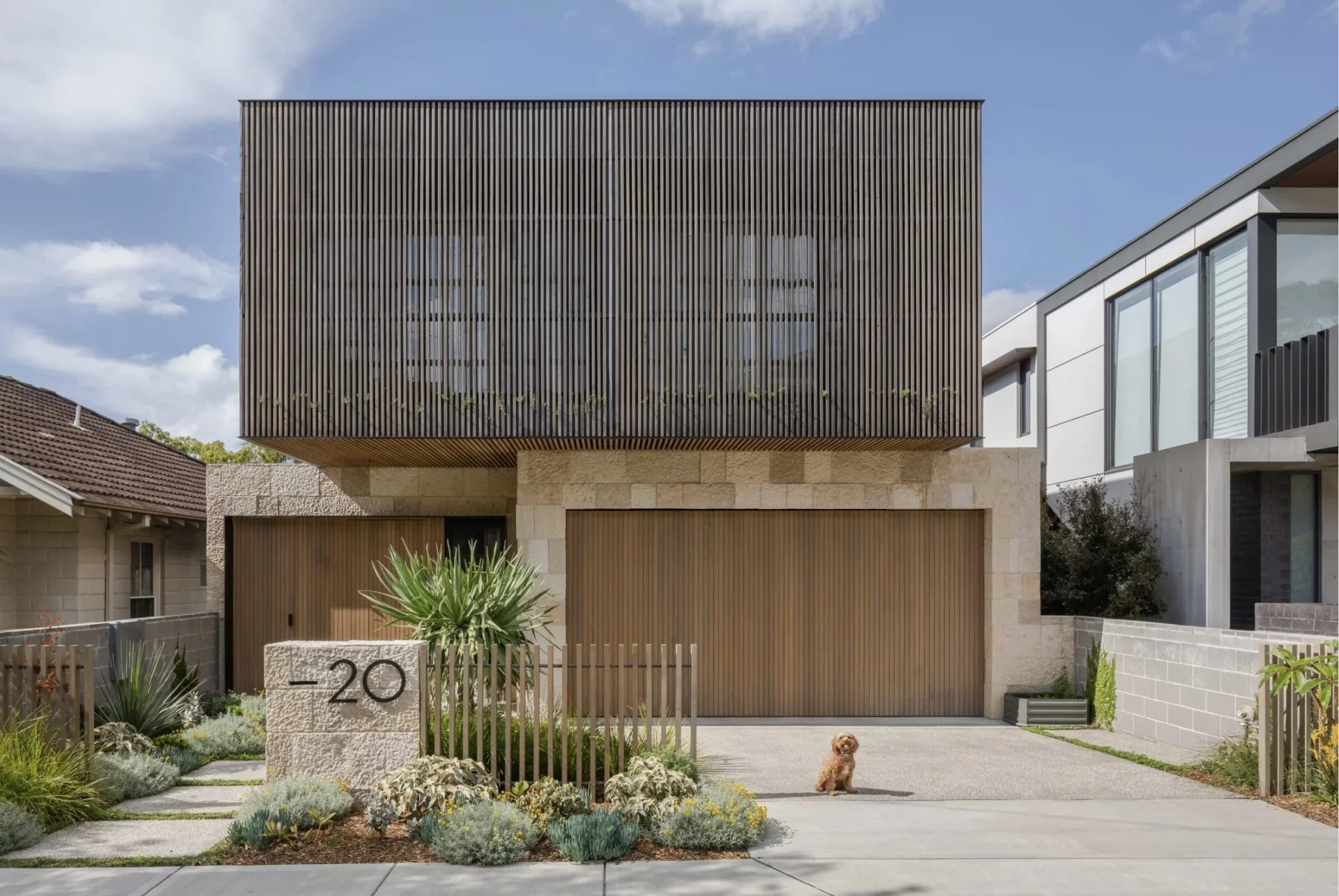
    The Bronte prefab home was designed and built by prefab company, Modscape and is a good illustration of how much prefab construction has evolved. The Bronte is a custom designed 4 bedroom home featuring an offset, cantilevered form, designed for great street appeal and with finishes carefully selected to suit the local landscape.

    Photography by Katherine Lu

    See More
    Image of Bronte prefab by modscape
  • 4. The Mod prefab

    The Mod is one of the pre-designed prefab homes on offer from Prebuilt. The Mod was architect-designed by Pleysier Perkins and able to be configured to suit a range of styles or sites, with three and four-bedroom customised multi-module houses to choose from.

    See More
    Image of The Mod prefab home
  • 5. Somers prefab home

    The Somers prefab home is a 3 bedroom passive solar home designed by Modus Architects. The home was prefabricated using locally sourced timber before being transported to site and assembled quickly. Features include: natural light, double glazing, shading, improved thermal insulation, water harvesting with 5,000 litre water storage, grey water diverter and resilient construction.

    See More
    Image of prefab home
  • 6. Somers beach prefab house

    This striking 3 bedroom home in Somers, on the Mornington Peninsular south of Melbourne, is the latest custom design by Modscape, a specialist prefab company that combines custom made modules to create each of its prefab homes. Colorbond roofing, blackbutt timber and VMZINC ‘Quartz-Zinc’ cladding, were chosen to complement (and withstand) the coastal environment.

    See More
    Image of modscape somers prefab home
  • 7. Hawkes Bay prefab

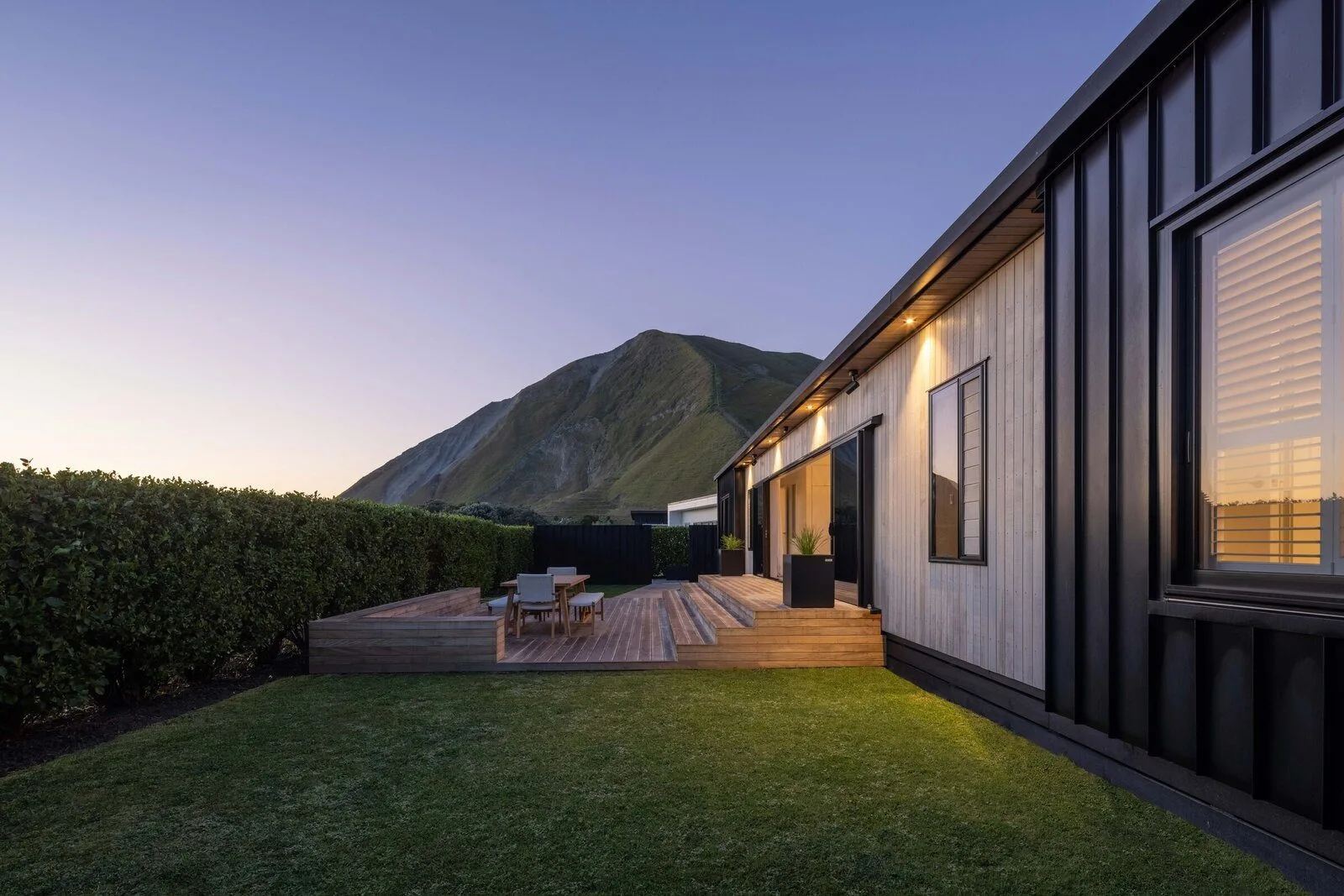
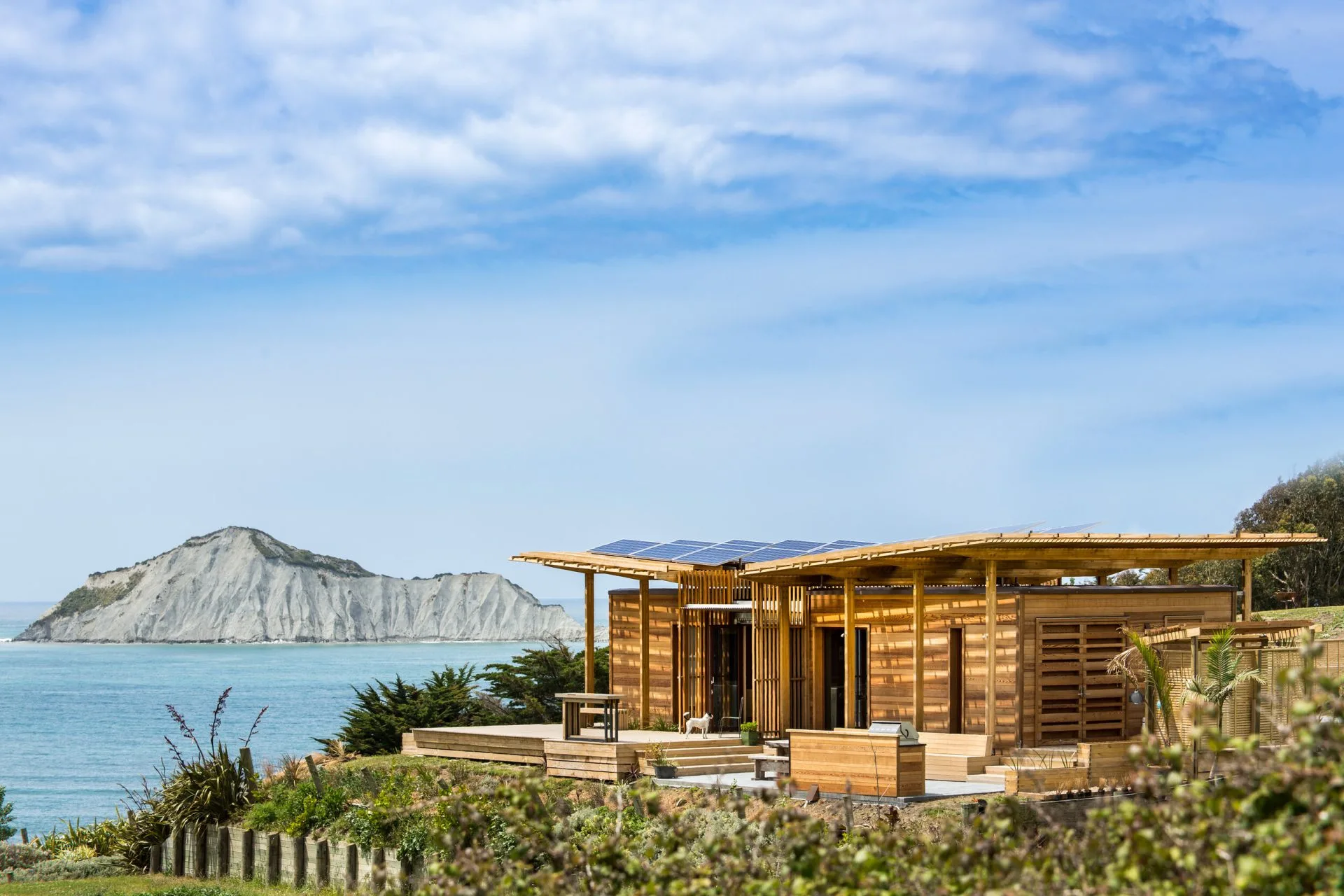
    This beautiful prefab bach in New Zealand’s Hawkes Bay has a small footprint of 150m2 but packs a punch for its small size with 3 bedrooms, 2 bathrooms and 2 living areas. The bach with sustainable interior design was transported from the factory over an hour away and was chosen by the owners for the flexibility in a remote location.

    See More
    Image of Hawkes bay prefab
  • 8. South Cres prefab home

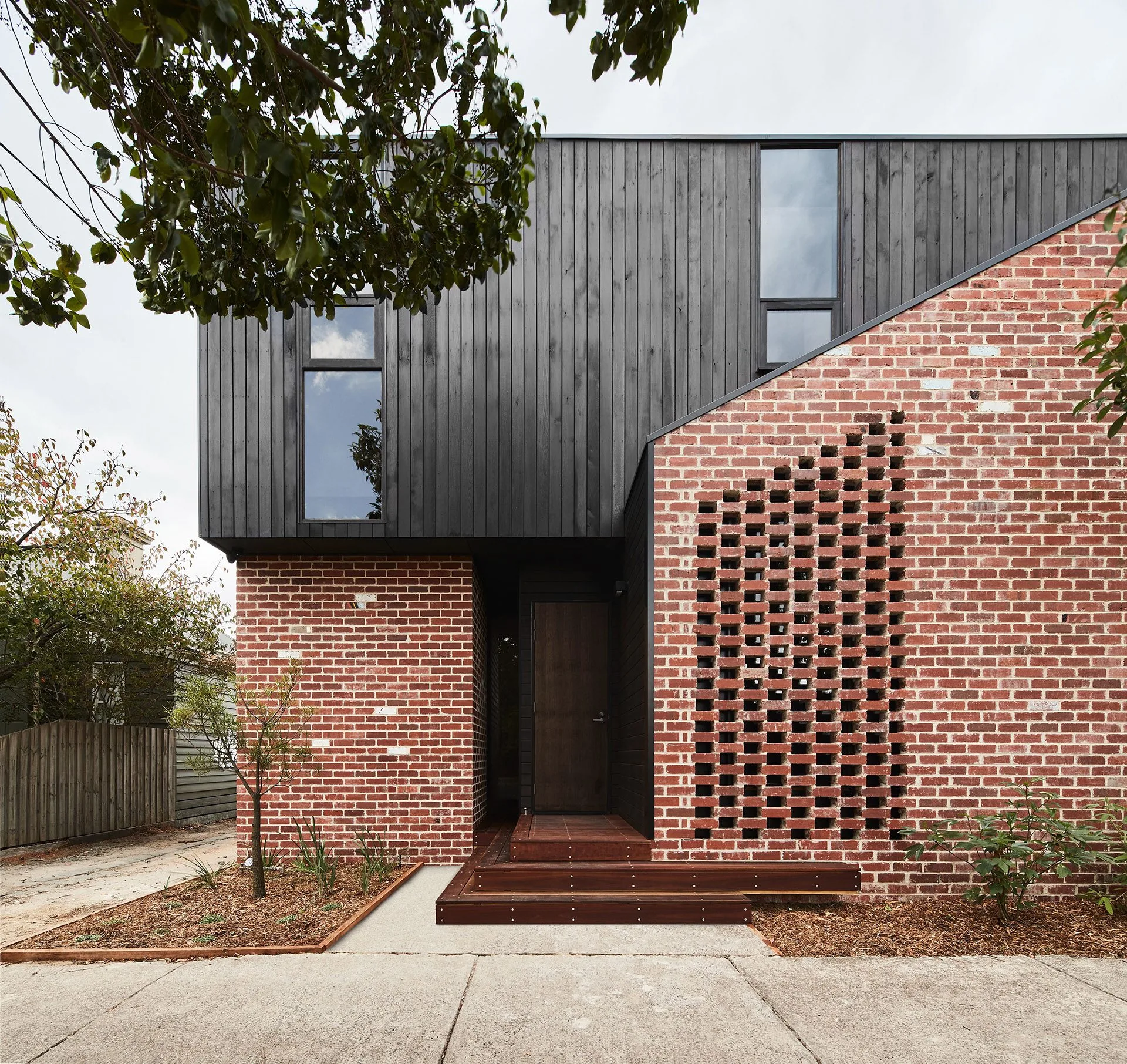
    While most prefab homes have a distinct light weight vibe to them, the South Cres prefab home is brick. Designed and built by Arkit, this project has been shortlisted for many awards including in the categories of small architecture, sustainability and prefab. The project is oriented north for passive solar gain, has low-e double glazing and breathable building wrap to minimise thermal bridging and enhance airtightness and thermal performance.

    See More
    Image of south cres prefab homes
  • 9. ‘Te Ngāhere Hou’ off grid prefab homes

    The remote location of this site led to the decision to go with prefabricated construction built 45 kilometres away. Five lightweight timber pods have been set out in a gentle curve to take in the beautiful bushland and water views beyond. The owners plan to offset their carbon footprint by creating 40 acres of native forest, a project they have named Te Ngahere Hou, which means ‘the new...

    See More
    Tennent Brown Architects Te ngahere hou prefab home
  • 10. Stafford Heights prefab home

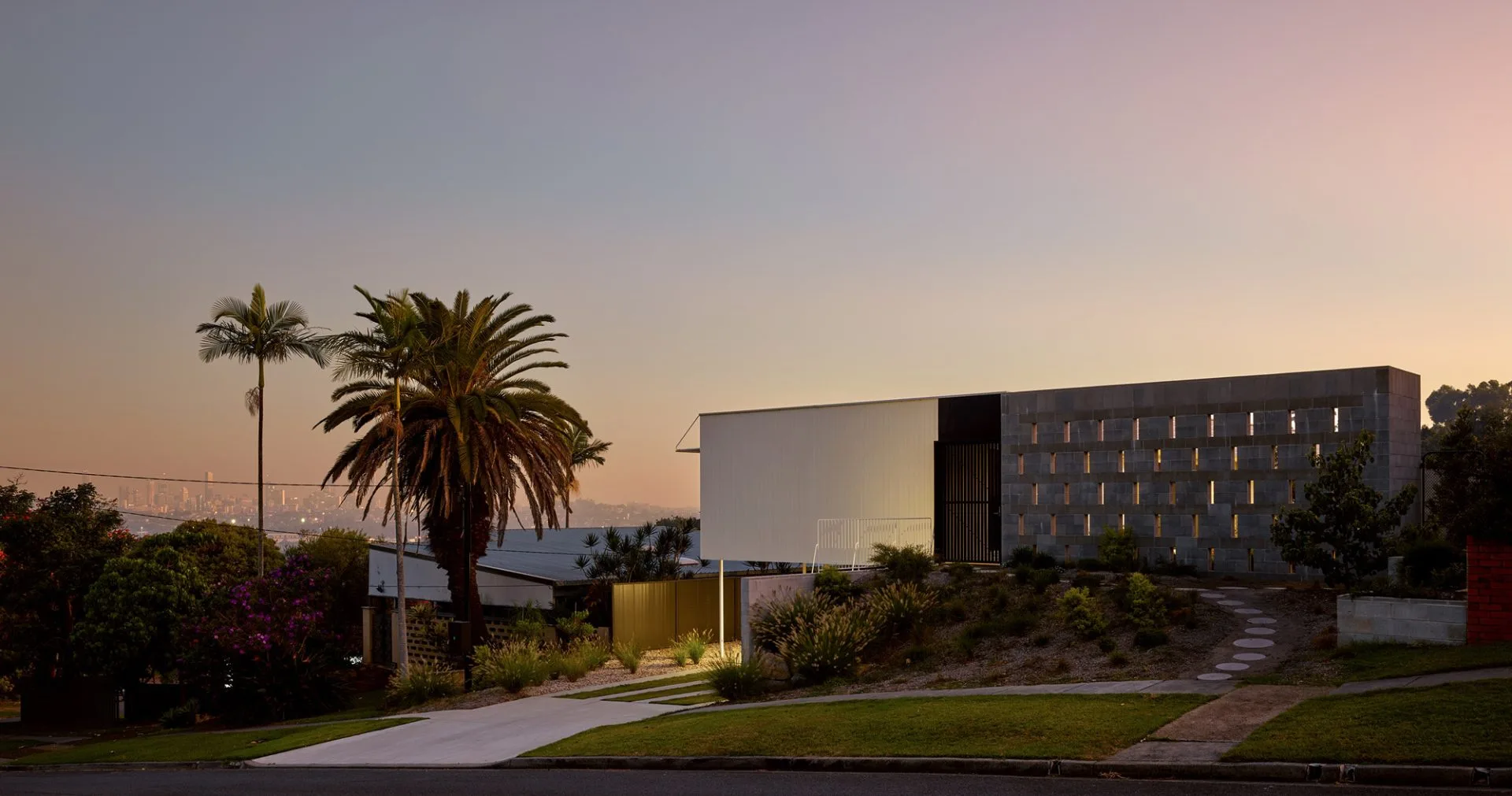
    Yet another modern prefab, this one designed by Vokes and Peters Architecture and build by Blok Modular Homes. The home won the New House under 200sqm, in the 2023 Houses Awards.

    Photography by Christopher Frederick Jones

    Image of stafford heights prefab by Block
  • 11. Premaydena off grid prefab

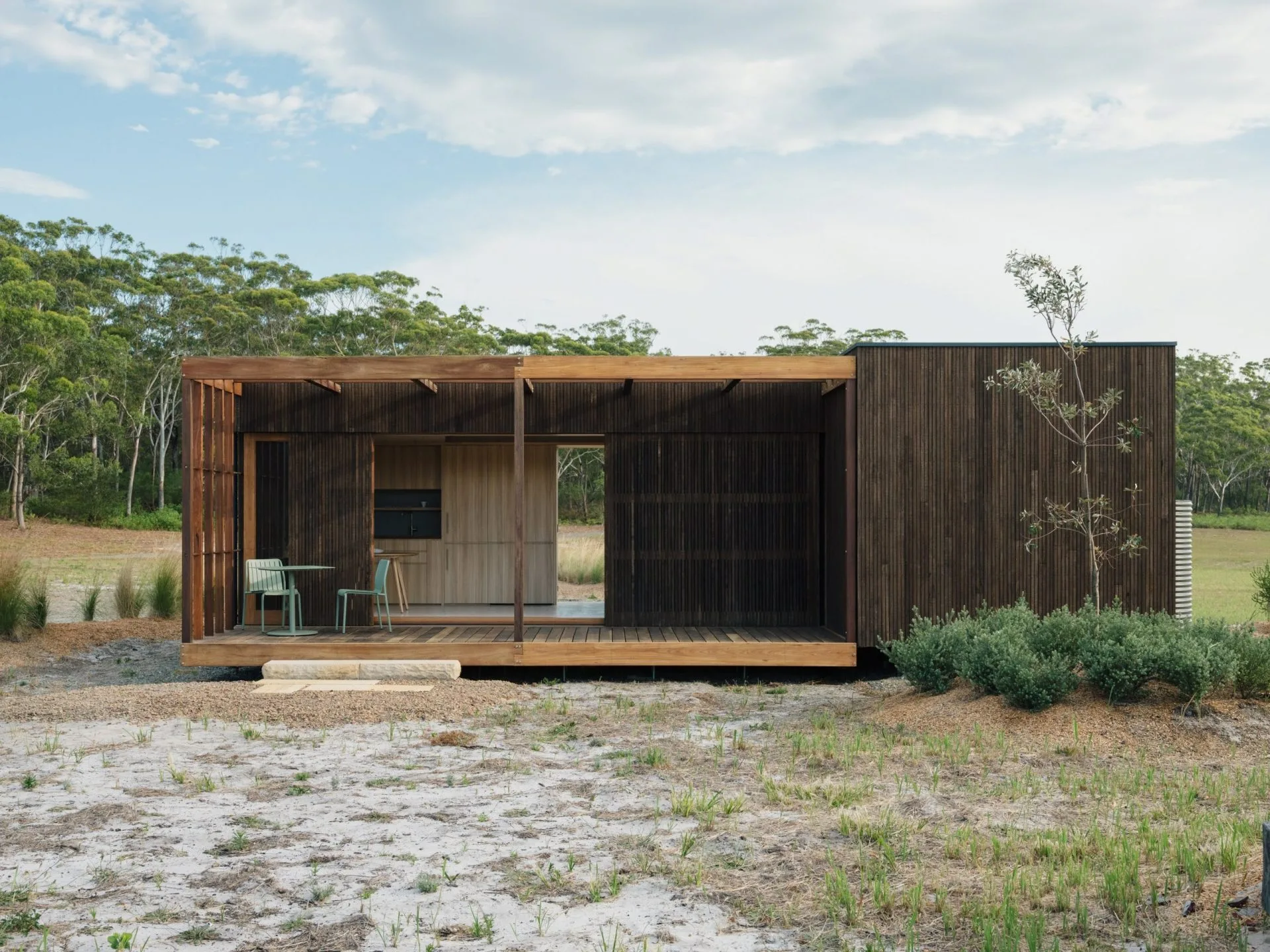
    Inspired by Japanese teahouses and shoji paper screens, this off grid home in a rural area south east of Hobart in Tasmania was designed by Misho architects as a box within a box. The outer box can be opened and closed to allow views, sun and to control prevailing wind. Sustainable features: passive solar design, local plantation-grown timber, highly insulated, double-glazed windows, solar system, rainwater tanks, grey/black...

    See More
    Image of misho architects premaydena prefab house
  • 12. Eco Balanced prefab home

    This multi award-winning eco home was prefabricated by Ecoliv in two modules which were combined to create a small footprint of about 70 sqm.

    Sustainable features: solar power, water tanks, solar hot water, solar passive design, light weight locally and ethically sourced materials, high levels of insulation, energy-efficient lighting and appliances, low VOC paints, 900mm overhanging eaves for sun/wind protection, cross-ventilation.

    See More
    Image of exterior of sustainable bushland prefab
  • 13. Redhill prefab home

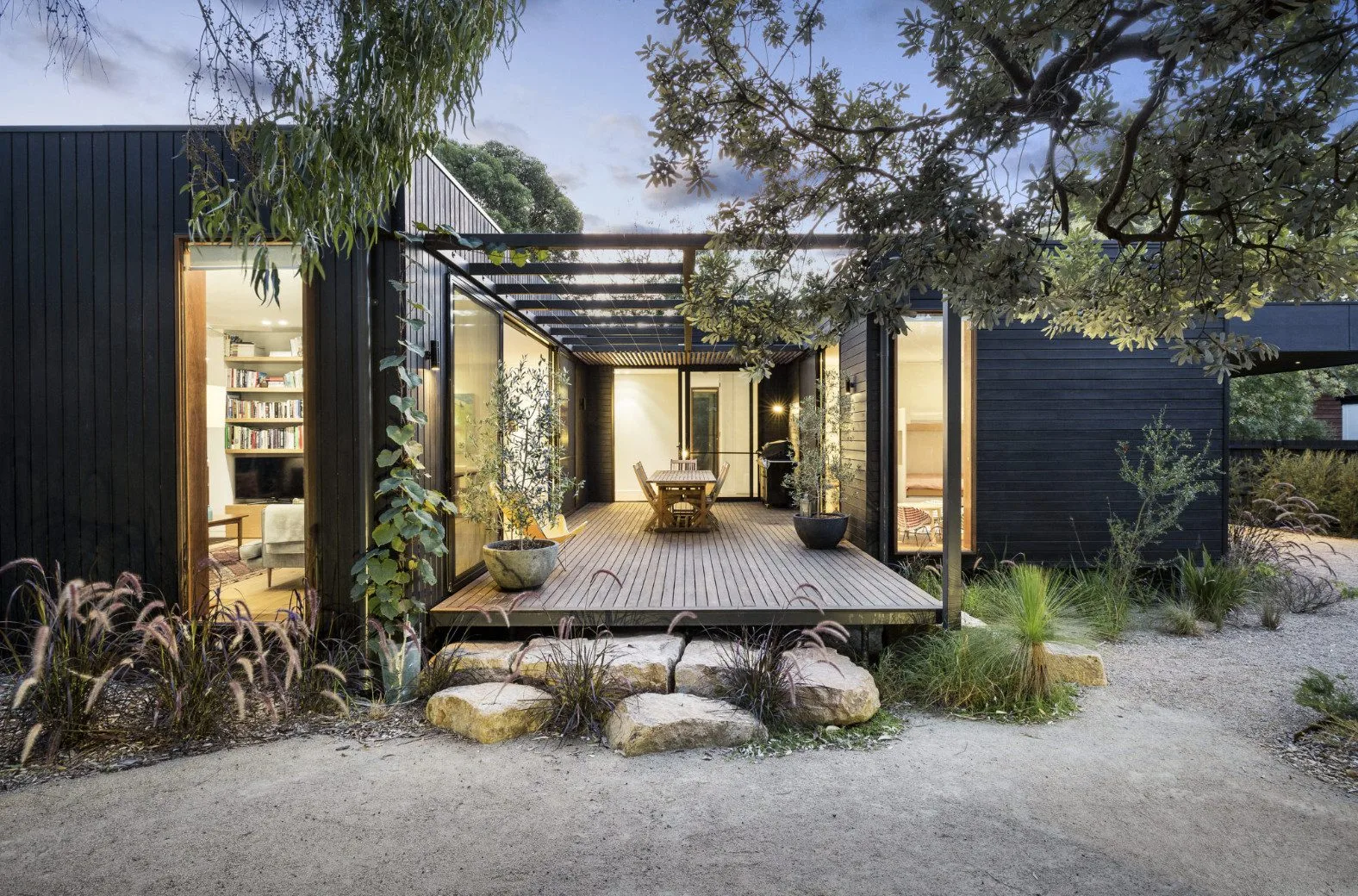
    This striking black and timber home by prefab specialists Prebuilt was designed in collaboration with architects Pleysier Perkins. The exterior is clad in charcoal stained Silvertop Ash to recede into the natural bushland setting. The design follows the line of the natural contours with careful cutting and retaining allowed the modules to be placed low to avoid the necessity for handrails and balustrades.

    Photography...

    See More
    Prebuilt red hill prefab homes
  • 14. First light prefab

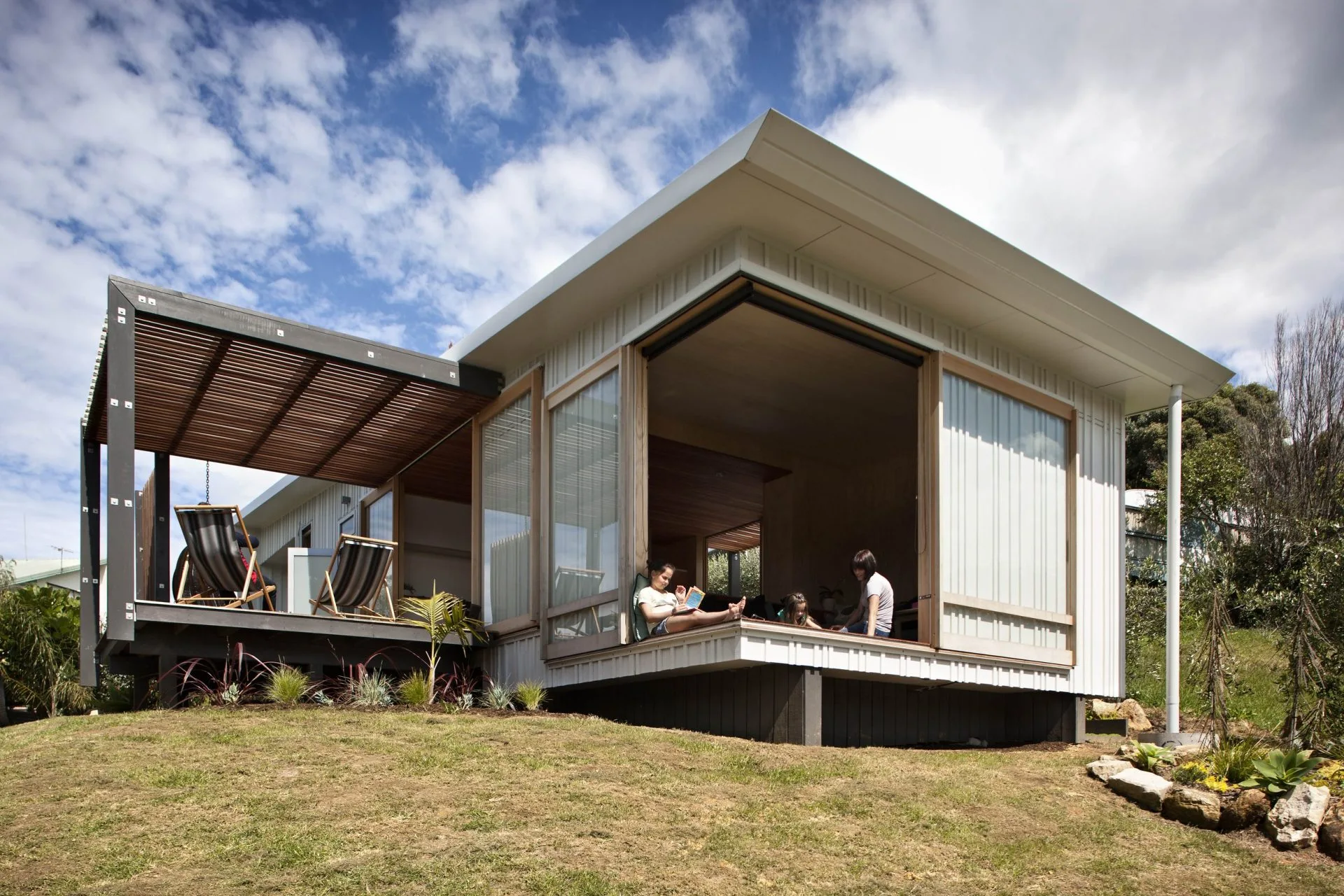
    This award-winning prefab home was constructed in a warehouse then transported and initially assembled in Wellington for public display, then disassembled and shipped to Washington DC where it was reassembled for a competition where it won second place for Architecture. The concept was a classic kiwi bach – a New Zealand holiday home – where New Zealanders retreat to ‘get away from it all’.

    See More
    image of first light prefab
  • 15. Little City prefab

    Little City is a two bedroom, two bathroom modular home built entirely off-site before being craned into its location (formerly a driveway!) and taking only two weeks of site works to complete the building and services connections.

    Sustainable features: highly insulated wall, floor and roof elements, western red cedar cladding utilising offcut short lengths, recycled timber decking material, low/ no VOC finishes, double glazing...

    See More
    Image of Arkit little city prefab home
  • 16. Prefab passive house

    The only prefab on our list with ‘passive house’ credentials, this home in South Hobart in Tasmania has been designed to capitalise on magnificent views of the Derwent River. Passive/Sustainable features: hyper-insulated floor panels, wall panels with condensation control membranes, highly insulated roof panels, low VOC finishes, bushfire resistant cladding, north facing for solar gain, cross ventilation and double glazed windows.

    See More
    Valley Workshop south hobart prefab home
  • 17. Studio 19 prefab home

    This prefab was designed and built by an architect and 16 architecture students in New Zealand. Fully transportable, the prefab home features prefabricated building components ensuring quality and speed with material palette primarily of locally sourced timber.

    Photography by Simon Devitt.

    See More
    image of studio 19 bach prefab
  • 18. Featherston barn transportable prefab home

    The Featherston barn prefab showcases how spacious you can get with just 145 square metres. Featuring 3 large bedrooms, 2 bathrooms, separate scullery and open plan living, with oversized stacker doors on two walls providing all-important indoor/ outdoor flow. The soaring high ceilings add to the spacious feel of the interiors.

    See More
    Barn house by Elevate
  • 19. Mako prefab home

    One of my favourite ever prefab homes, this Mako design by Jaw Architects was built in 2015 near Hobart, Tasmania. The modular design was chosen by the owners for its environmental advantages, as well as a cost effective, quality and on budget outcome which capitalised on the beautiful bush block with uninterrupted water views.

    See More
    Jaws architects Mako modular prefab home
  • 20. Karangahake prefab home

    This farmland prefab home won the New Zealand Institute of Architects Waikato Small Project Architecture Award in 2021. Designed by Make Architects, the home was built with prefabricated floors, walls and roofs the home was assembled on-site within just four days.

    Sustainability was core to the design, with the usually arduous and inefficient traditional build cast aside in favour of off-site prefabricated construction, carefully...

    See More
    Make Architects karangahake prefab home

While the prefabs of old offered limited ‘off the plan’ designs, custom design is now available, ranging from tiny homes and cabins through to multi-storey residences. Many home renovators are opting for prefab extensions to minimise time and cost.